Skip to content
VizzelINTEL ACCESS
SolutionsLinen Management
Vizzel core solution

Linen Management

Count every piece. Track every circulation.

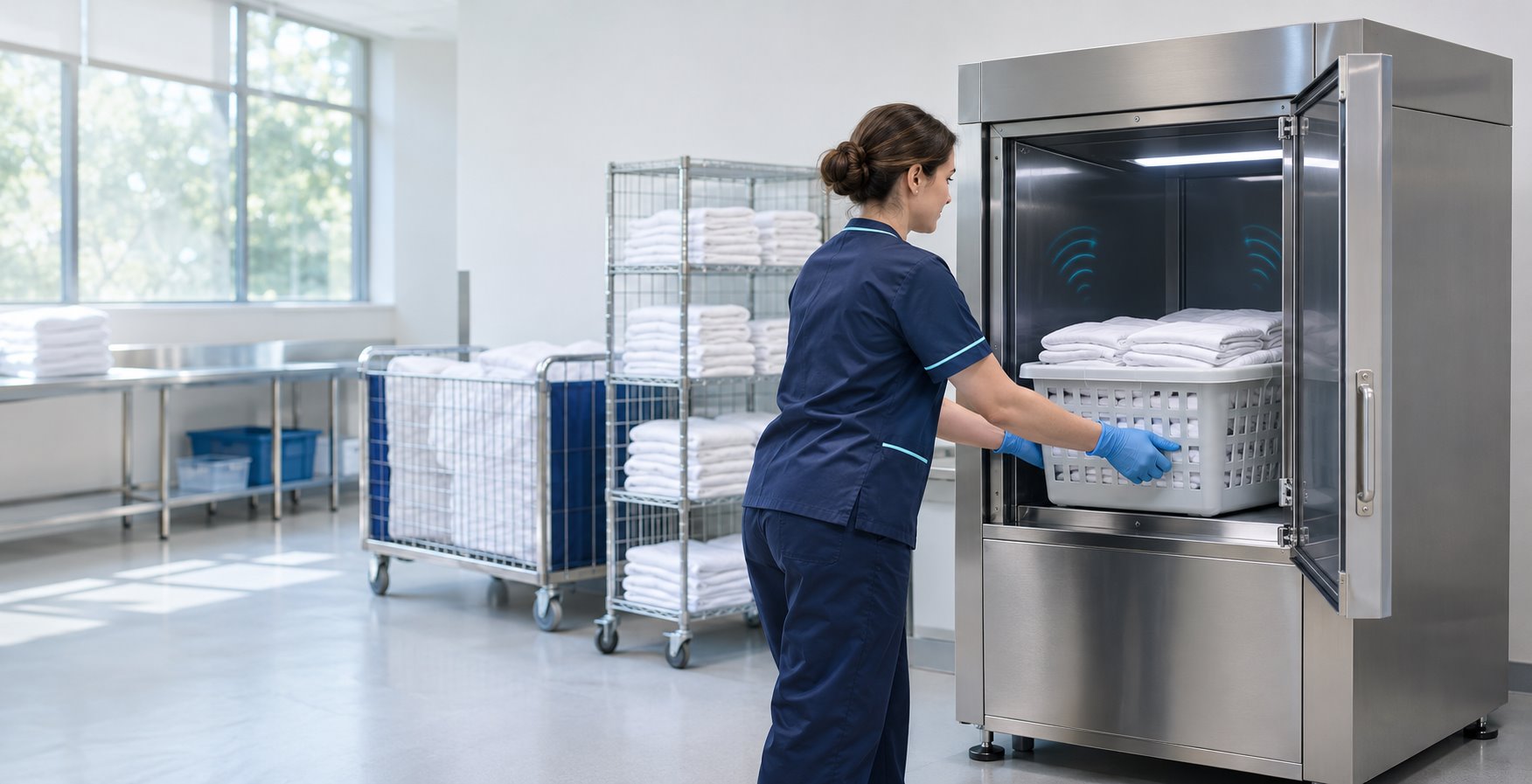
Give every linen item its own RFID tag, then count multiple pieces together through an RFID Linen Counting Cabinet.

Illustrative RFID linen counting cabinet in a commercial laundry.
Illustrative cabinet concept, not a confirmed equipment model.

OPERATIONAL CHALLENGES

Start with the operational reality

SOLUTION OVERVIEW

Track the unit your operation actually manages

Every piece must have its own RFID tag. Place a basket of linen in the cabinet to read multiple tags at once, identify the items, and record the count and circulation transaction.

HOW IT WORKS

From identification to usable records

  1. 01

    Tag and register

    Attach an RFID tag to each piece and register it in the platform.

  2. 02

    Collect in a basket

    Collect linen for an incoming or outgoing workflow.

  3. 03

    Count in the RFID cabinet

    Place the basket in the cabinet to read multiple tags and identify the items.

  4. 04

    Record circulation

    Record incoming, outgoing, and circulation transactions.

KEY CAPABILITIES

Capabilities shaped around the management model

  • Individual linen identification
  • Bulk RFID counting
  • Laundry and linen circulation management
  • Incoming and outgoing records
  • Linen utilization and loss prevention support
  • Linen utilization reports

INTEGRATED DEVICE ECOSYSTEM

Devices & Smart Technologies

The RFID cabinet is the primary device for counting linen in batches. Every individual piece must carry its own tag.

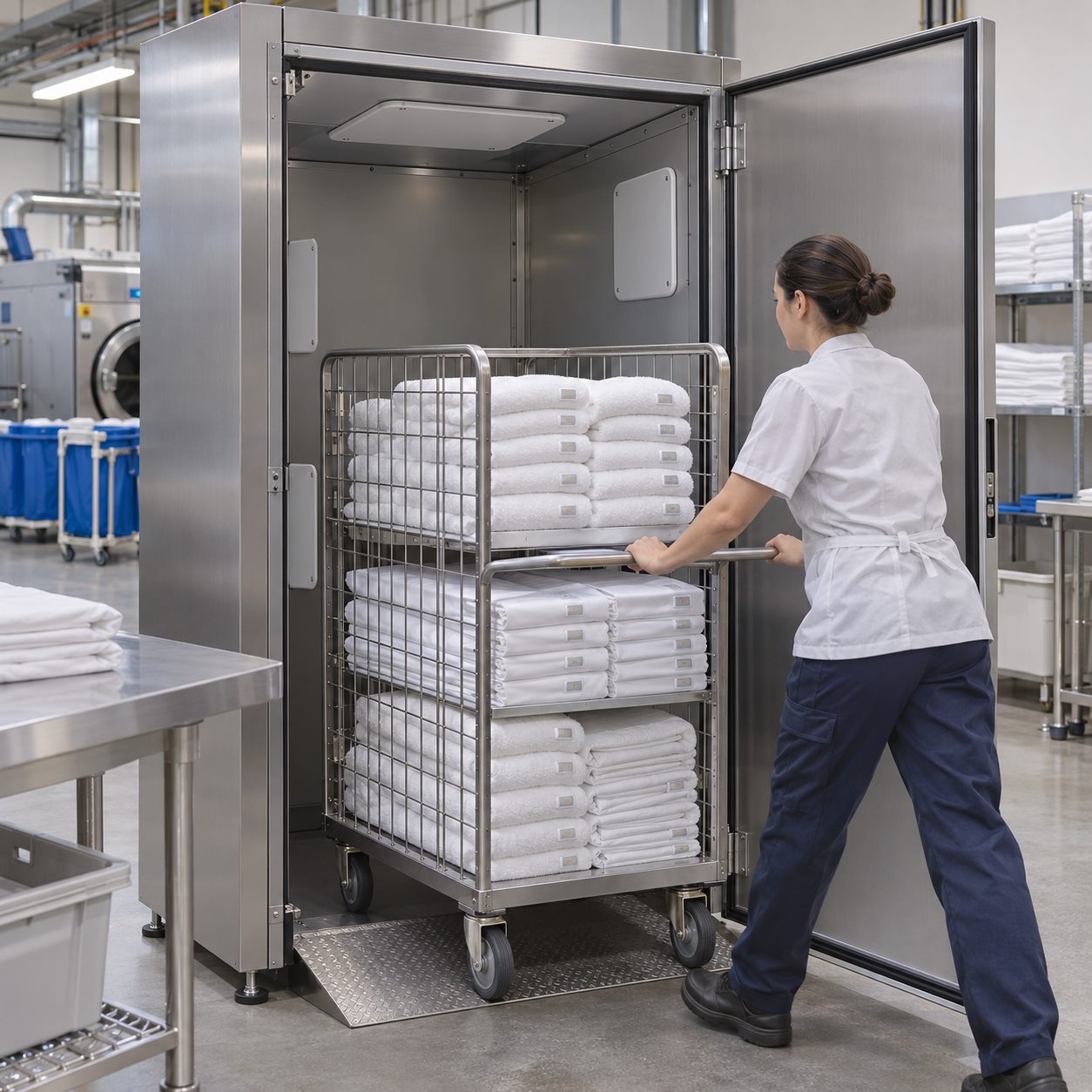
  • Laundry staff moving a linen trolley into an RFID counting cabinet.Primary deviceIllustrative device concept. Final model and configuration depend on project scope.

    Primary device for laundry workflows

    RFID Linen Counting Cabinet

    Collect individually tagged linen in a basket or trolley and move it into the cabinet. It reads multiple tags at once so Vizzel can identify each item, calculate the count, and record the transaction without manual piece-by-piece counting.

    Every linen item needs its own RFID tag. The cabinet cannot individually identify ordinary untagged linen.

    Operational benefit

    Count a batch and record the result in one workflow.
    Request Information
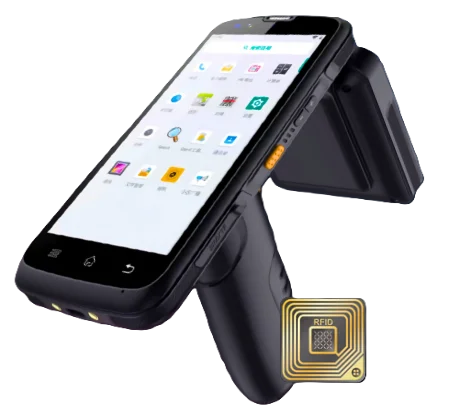
  • Portable UHF RFID reader for verifying tagged linen items.Representative reader image. The supported model depends on the project.

    Mobile verification reader

    RFID Handheld Reader

    Use it to verify tagged linen, locate a specific item, and check inventory in designated areas.

    Operational benefit

    Verify and locate linen in operating areas away from the cabinet.

    Request Information
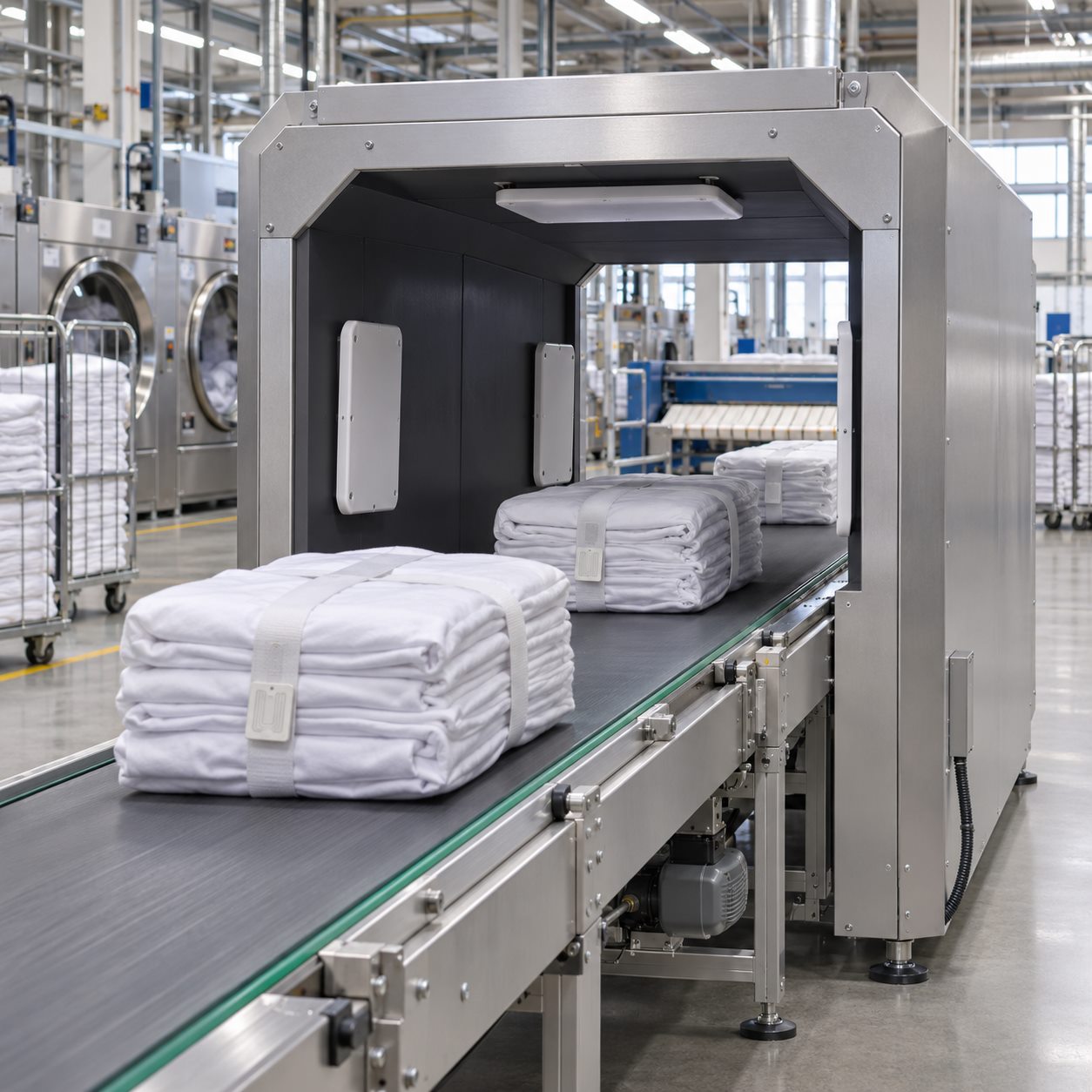
  • Tagged linen moving through an RFID reading tunnel on a commercial laundry conveyor.Illustrative device concept. Final model and configuration depend on project scope.

    High-volume automated reader

    RFID Laundry Tunnel / Conveyor

    Pass individually tagged linen through a conveyor or tunnel reading zone to support continuous, high-volume laundry workflows.

    Each linen piece must be RFID-tagged first; untagged linen cannot be individually identified.

    Operational benefit

    Support reading tagged linen moving through high-volume laundry operations.

    Request Information

INTEGRATED OPERATIONS

From physical operations to useful information

Devices identify or count physical items, software records the workflow, and dashboards make the resulting information available to teams.

  1. 01

    Every linen piece

    Each piece has an individual RFID tag and record.

  2. 02

    Smart device

    RFID counting cabinet or conveyor tunnel.

  3. 03

    Software

    Identifies linen items, counts, and transactions.

  4. 04

    Output

    Batch counts, item records, and circulation history.

BUSINESS BENEFITS

Better information for better operational control

  • Count multiple linen items in one workflow.
  • Identify which linen items are in circulation.
  • Keep incoming and outgoing records for review.
  • Use circulation data to support planning and loss prevention.

TARGET INDUSTRIES

For a range of operating environments

Industry groups are examples. Tracking methods and project scope depend on each organization's workflow.

NEXT STEP

Start with the way your operation works

Discuss tracking units, equipment, and scope for your organization.

Discuss this solution